High and Mighty
The lies of the anti-drug propaganda machine.
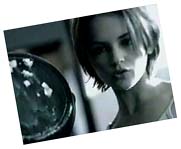
There's a new It Girl on television these days--a pale, sexy, raccoon-eyed waif who looks like an advertisement for shooting heroin. The twist: The commercial is an ad for not shooting heroin. The waif smashes china and plumbing fixtures in the commercial, screaming angrily about how heroin will ruin your life.

The waif spot is one of a series of new anti-drug commercials that the government will pay $1 billion to air over the next five years. The ads are produced by the Partnership for a Drug-Free America--the best funded and best connected propaganda machine in America today. It's backed by the president, the speaker of the House, both parties in Congress, the biggest of big corporations and foundations, the advertising industry, and the major media.
The slickness and pervasiveness of the campaign conceals one flaw: The message--that all drug use leads to disaster--is a baldfaced lie.
Founded in 1986 by a group of advertising execs, the PDFA's stated goal is to produce and place ads that persuade kids not to try drugs, to "denormalize" adult drug use, and to make drug use "less acceptable." Its latest TV ads--created pro bono by leading ad agencies--will saturate prime time this year thanks to a budget in excess of what Nike or Sprint spent on TV advertising in 1997. (The PDFA once relied on donated airtime, but in these flush days network time is at a premium, hence the requisition of taxpayers' funds.) The budget dwarfs even the public service ad campaign run during World War II in support of the war effort.
The ads focus solely on kids. In addition to the waif ad is one that depicts a little girl answering questions. Lesson: Her mother has told her not to talk to strangers but hasn't told her drugs are bad. In another ad, a father and son sit at the breakfast table in silence. Lesson: This time could have been spent talking about how drugs are bad.
Some have attacked the efficacy of these ads. Indeed, no study conclusively demonstrates a link between them and reduced drug use. Few have slammed the hypocrisy of the politicians and the ad agency staffers behind this campaign, who can't all be drug virgins. But the greater scandal is the free pass that reporters, most of whom have imbibed, have granted the PDFA's propaganda blitz. (The lone exception is the New York Times' Frank Rich.)
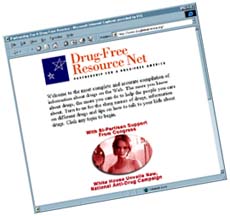
Let's be clear: Drugs can be awful. They can destroy lives. But for every person who has died or ended up in a gutter, millions have dabbled in drugs and still led productive, sane, successful lives. This is indisputable. In fact, some long-term drug use can be harmless--and, yes, even kind of fun. But the PDFA model offers only the salvation of abstinence or the perdition of addiction. The PDFA's Web site suggests you tell your kids marijuana is " a bad drug that can hurt your body."
While it's true that marijuana smoke (like tobacco smoke) contains carcinogens and the medical data suggest it compromises the immune system and can also lead to short-term memory loss, honesty demands that the silent dad in the PDFA ad admit to his son that he smoked a good deal of pot when he was young, still occasionally lights up at parties, and has turned out just fine.
Instead, the PDFA insists on using your tax dollars to lie to your kids. Should teens hate and fear a friendly, well-adjusted, responsible classmate who occasionally rolls a spliff? Should the culture denormalize someone who does good work in a steady job, hurts no one, and once in a blue moon sniffs some blow at a club? Are you on a hell-bound train if you take mushrooms? Is all drug use drug abuse? The PDFA tells your kids "yes" when the correct answer is "no."
Perhaps the most shameful thing about the PDFA propaganda campaign is that its leaders know better, having used drugs themselves. Bill "Didn't Inhale" Clinton, Newt Gingrich, and Al Gore have all admitted to having tried drugs in their early days. How can they tell kids pot is an evil gateway drug when they're stellar proof that it isn't?
To succeed, a propaganda campaign need not convince its audience; it need merely suck the oxygen out of the lungs of its foes. Prior to its alliance with the government, the PDFA merely hogged the drug debate. Now it stands to monopolize it, thanks to its ad dollars and its friends in the media. July 9, PBS's The NewsHour With Jim Lehrer ran, without comment, all the PDFA's new ads. (The Robert Wood Johnson Foundation, responsible for 50 percent of the PDFA's funding, also donated over $500,000 to PBS last year.) Media luminaries from ABC News anchor Peter Jennings to Washington Post Co. mogul Katharine Graham have supported the PDFA since its inception. The editorial side of Graham's Post has only compliments for the PDFA, while the advertising side has donated ad space to it. (The paternalism of the PDFA's campaign has sunk in at major newsrooms. Click
We don't trust Madison Avenue to tell us the truth about fabric softener, so why are we letting it brainwash our children about drugs? Indeed, if the PDFA had a shred of integrity, its ads would be battling alcohol and tobacco, America's two most injurious drugs and the two most popular among teens. (The PDFA no longer takes money from Philip Morris, RJR Reynolds, and Anheuser-Busch or other booze and smokes companies, but even so, the alcohol connection remains: Margeotes/Fertitta and Partners, which created the waif spot, also designs Stolichnaya vodka ads.)
In a rational world, the Republicans who decry the anti-tobacco campaign as another appendage of the nanny state would see through the PDFA campaign and reiterate their belief that Americans can be trusted to make informed choices. For instance, contrary to what the raccoon-eyed waif suggests, many heroin users are able to use their drugs and conduct functional lives. What makes heroin users' life so crazy is that their dependence on an illegal drug forces them to enter a criminal underworld. The PDFA ignores these subtleties. Likewise with cocaine: Most of the 22 million Americans who've tried it have had no trouble walking away from it. And pot? No one has ever overdosed.
By confusing propaganda with education, the PDFA stands to reap the whirlwind. We don't lie to kids about alcohol. Everyone knows from an early age what it can do--and that most people can handle liquor, but some people can't. Eventually kids see through the drug hysteria, usually by the time they turn 12 or 13 and start observing drug users for themselves. When they discover they've been lied to, they stop trusting the liar--their parents or teachers or TV commercials--and start trusting their peers. Whatever real opportunity we have to reach them vanishes. Simply letting kids know what the real risks are, without hyperbole, should be enough. Madison Avenue propaganda is counterproductive.
If you missed the link in the article,